


.webp)






















Natural Veneers FAQs
BASICS & FUNDAMENTALS
- Veneer: Real wood, natural variation, premium appearance, and can be refinished.
- Laminate: Synthetic material, uniform in design, highly durable and scratch-resistant, but less natural in appearance.
VENEER PROPERTIES & BENEFITS
Natural Beauty: It offers the rich, authentic look of real wood, including exotic or rare species, at a lower cost
Sustainability: It is an efficient use of lumber. One log can yield many times more decorative surface area as veneer than as solid wood boards.
Stability: When bonded to an engineered substrate like MDF or plywood, it is less prone to warping, splitting, or cracking caused by changes in temperature and humidity, unlike solid wood
Design Versatility: Allows for large, seamless panels and decorative matching
Cons
Durability and Repair: Because the wood layer is so thin, it is more susceptible to deep scratches or chips that expose the core material.
Moisture Sensitivity: If not properly sealed, prolonged exposure to water can cause the veneer to bubble or peel from the substrate
Installation: Requires some skill to install, as proper alignment and removing all air gaps are crucial for a professional finish
veneer (general disclaimer)? Wood veneer is a natural product derived from wood. Variations in color, grain pattern, texture, and figure are inherent characteristics of natural wood and shall not be considered defects. Any warranty, where applicable, is limited strictly to manufacturing defects in the veneer material supplied.
Due care must be taken with respect to the following factors:
- Improper storage, handling, or unsuitable site conditions
- Unsuitable or uneven substrates (plywood, MDF, particleboard, etc.)
- Incorrect adhesive selection or application
- Improper installation, polishing, or finishing methods
- Exposure to excessive moisture, heat, sunlight, or chemicals
- Normal ageing, wear and tear, or color change over time
Wood veneer is sourced from natural trees and carefully selected logs are used to make high-quality veneers. The process focuses on species choice, log quality, and grain characteristics.
Veneer-producing regions:
- America: Walnut, Oak, Maple, Ash, Cherry
- Europe: Oak, Beech, Ash
- Africa: Teak, Mahogany, Sapele
- Asia: Teak, Rosewood, Gurjan
CUSTOMIZATION & VARIATION
CUTS & PATTERNS
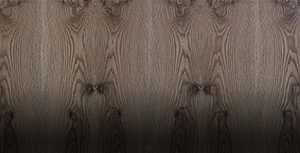
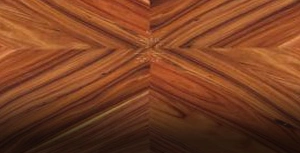
- Flat (Crown) Cut: Achieving the most common and classic solid wood look, makes a “crown" pattern in the center of the sheet, where the grain forms an inverted V-shape.
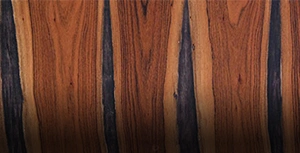
- Quarter Cut: Contemporary, linear designs; maximizing the stability of the grain, produces a straight, parallel grain pattern.
- Rift Cut: High-end cabinetry and furniture where an unbroken vertical line is desired, Yields a very straight, tight, and uniform linear grain pattern.
Since veneer leaves / flitches are often narrow, multiple flitches must be joined together to make a sheet. These joining methods create a sheet most popular are
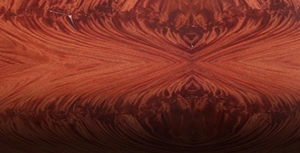
- Book Match or group Match - Creates a symmetrical, mirrored image or "reflection" of the grain pattern at the joint line, the grain flows across the surface with high visual interest and symmetry.
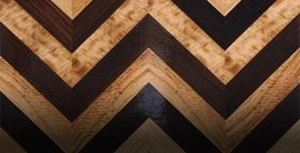
- Slip Matching - Creates a uniform, repeating grain pattern that runs in the same direction, reducing the distinct symmetry of book matching, A more linear, consistent, and less dramatic appearance
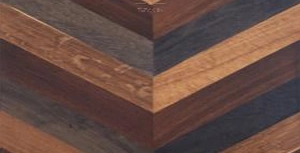
- Random Matching - Veneer pieces from different logs or flitches, or even different cuts, are placed randomly next to each other, creates a rustic, planked, or asymmetrical appearance
SIZES & APPLICATIONS
INSTALLATION, ADHESIVES & FINISHING
The Polishing contractor or technician would usually undertake Light sanding → stain (optional) → Sealer → 2–3 thin finish coats → light sanding between coats, for few material ranges which are pre polished or pre finished it does not require any sanding nor polishing.
(Kindly refer detailed Polishing Guideline which is available on our website - https://www.naturalveneers.com/polishing-guideline)
Veneers that already come pre-finished Polishing does not require polish, but for other Veneers it is highly recommended to protect wood veneer and achieve a durable, attractive finish, unpolished veneer can absorb moisture and stain easily.
(Kindly refer detailed Polishing Guideline which is available on our website - https://www.naturalveneers.com/polishing-guideline)
✔ For Installation it requires appropriate tools and skilled workmanship.
✔ Care is needed on curves & critical applications to prevent Bubbling / Delamination.
✔ It is suggested to apply Glue on surface wherein veneer will be pasted as well as on fleece back, allow sufficient drying me to avoid any bubbles.
CARE & MAINTENANCE
✔ Use a soft, slightly damp cloth if needed. Avoid harsh chemicals and always dry the surface afterward. Protect veneer from excess moisture and heat.
✔ Wipe and Dust the furniture regularly with a soft cloth or a light duster to prevent the accumulation of dust and dirt on the surface. Avoid using harsh cleaning agents and soapy or detergent mixed water for cleaning the surface of the veneer that could damage the veneers.
✔ Exposure to direct sunlight can cause the veneer to fade or discolor. Place the furniture (with veneers) away from windows or install partitions or curtains or blinds.
✔ Wherein minor cracks, stains, or any other damage on the veneer surface, use skilled professionals for polishing, rubbing compound, applying clear lacquer, and application of the veneers. Only an experienced professional will be equipped to repair or replace the wood veneers to restore its natural beauty and help stop further damage.
✔ Refrain from using sharp objects or tools directly on the veneers surface, as they can scratch or dent the furniture. Use protective pads or mats when working with sharp objects.
✔ Being a natural wood product, it is recommended that before use or application the buyer verifies the shade / color / grains of the delivered product as against their ordered product.
✔ Avoid direct sunlight, which can cause fading or discoloration, Store veneers in a dry place, away from moist surfaces to prevent warping or discoloration, Also Store veneers with the face side closed to prevent dust accumulation and scratches.
✔ Strictly Avoid, any contact with water / liquids. Also avoid any moisture condensation on product surface. The product must be stored on a flat surface with a distance from the ground.
✔ Bring or deliver veneers to the site when ready to apply them to minimize storage time and reduce the risk of dust, stains, or breakage at site, When the veneer arrives at the site, we recommend a base coat to be applied to avoid any dust / stains / hand impressions etc.
PRICING, ORDERING & CHANNEL
Actual costs vary by species, thickness, grade, finish, and location, major influencers / aspects of pricing are:
✔ Wood species (rarer woods cost more)
✔ Thickness of Veneer Face (Veneers with higher thickness cost more)
✔ Grade of the material
✔ Region or Country of Import of the Raw material / Logs
✔ Plywood / Backing quality – whether Imported or Local
✔ Gluing quality or consumables used during production process
✔ Stocking capacity, consistent supply, product finishing parameters of the seller
✔ Range, services and experience provided by the seller
Natural Veneers has a Pan-India channel network. We will connect you with the nearest authorized channel partner to ensure the best service and a smooth buying experience. Product availability may vary by species, and lead times should be considered for custom orders, special species, or bulk quantity requirements.
Yes, we can review and assess suitability based on the target market or geography, infrastructure readiness, relevant experience, and service capability.