






























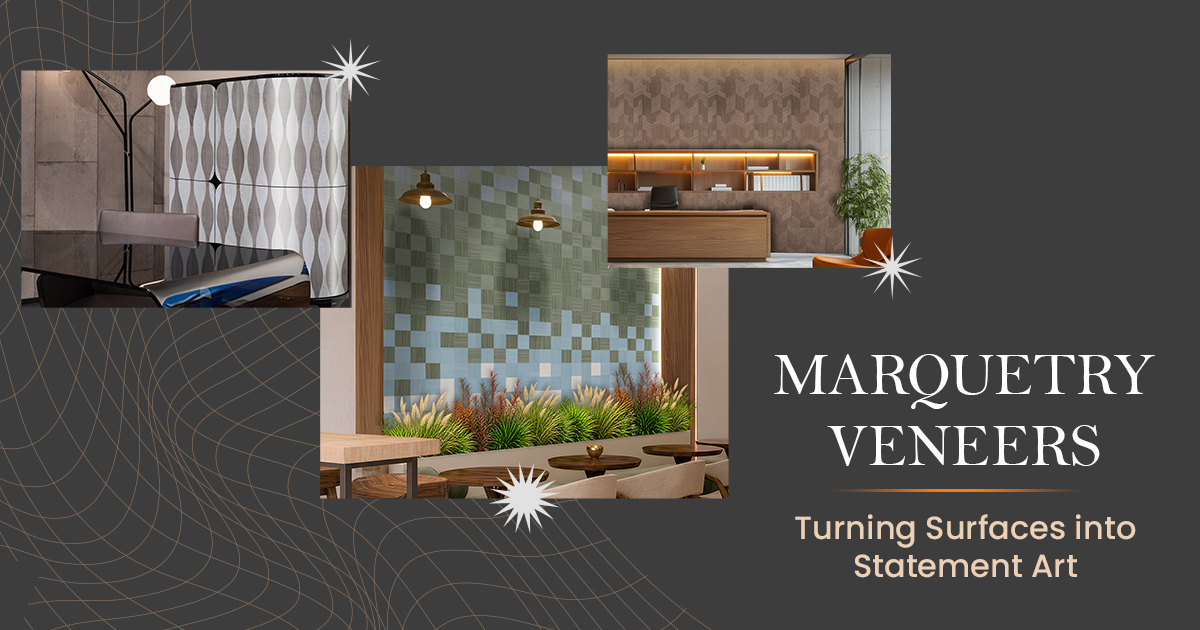
Marquetry Veneers: Turning Surfaces into Statement Art
- October 30, 2026
- by
- Admin
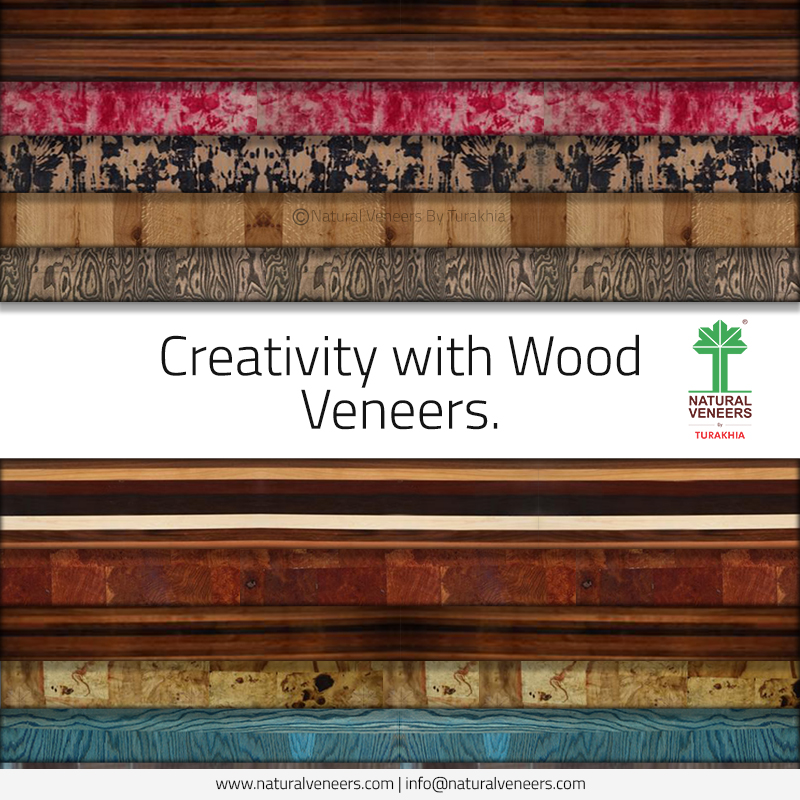
In high-end interiors, surfaces can play an important role in the overall design. Marquetry veneers make this possible by combining thin pieces of wood into detailed patterns, images, and textures.
For architects and interior designers, they offer a way to turn walls, doors, furniture, and panels into different design features.
In this blog, we will look at marquetry veneers, where they work best, and why they are getting a lot of attention in premium spaces.
What is Marquetry?
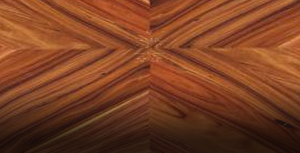
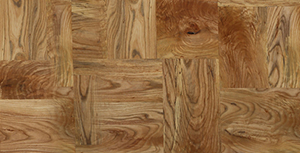
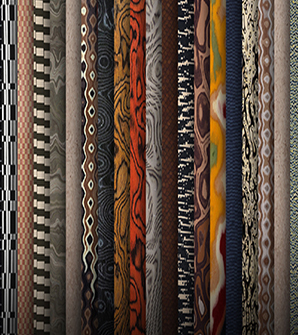
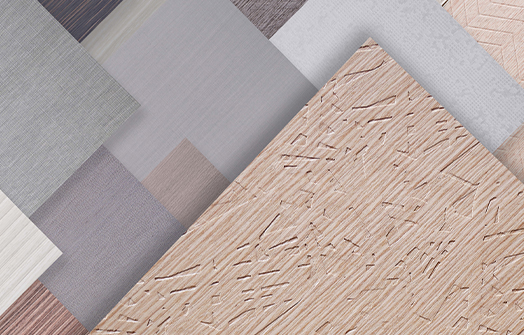
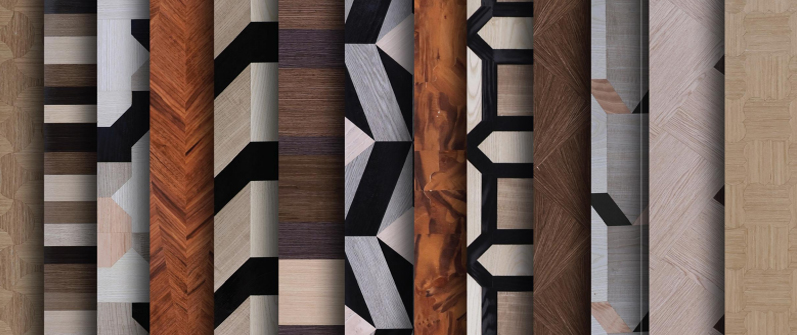
Marquetry is the art of cutting and arranging pieces of wood veneer into patterns on a surface. For example: different species, grains, and tones are placed together to form geometric designs, floral patterns, or abstract compositions. Every pattern comes from natural wood grain; the pattern is created by arranging veneer pieces.
From Material to Art: What Makes Marquetry Veneers Unique
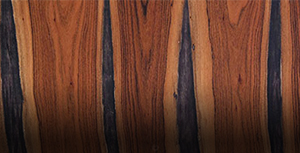
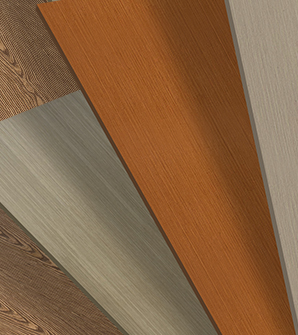
Standard veneer provides a natural wood finish, marquetry takes that material a step further by using veneer pieces to create a deliberate pattern or composition
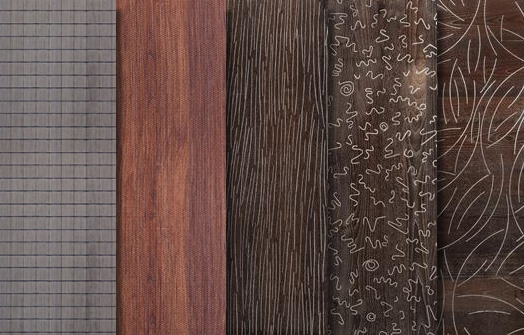
Each veneer piece is cut to a specific shape and placed with precision. Grain direction, colour contrast, and species selection are all deliberate decisions. A marquetry panel combines natural wood grain with carefully arranged veneer pieces to create a distinctive decorative finish.
The Design Impact in Modern Interiors
Architects and interior designers are key drivers behind the rising demand for premium, design-led materials like marquetry veneers. This shift is clearly reflected in market growth. For example, if you look at the market, you’ll be surprised. According to the IMARC report, the India luxury interior design market was valued at USD $1.7 billion in 2025 and is expected to reach USD $3 billion by 2034, at a CAGR of 6.23%.
In residential, hospitality, and commercial projects, designers may use distinctive materials to create a specific look or design identity.
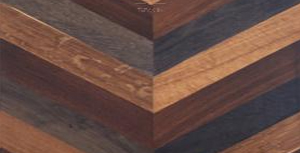
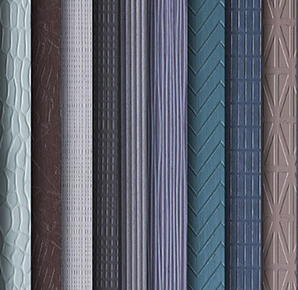
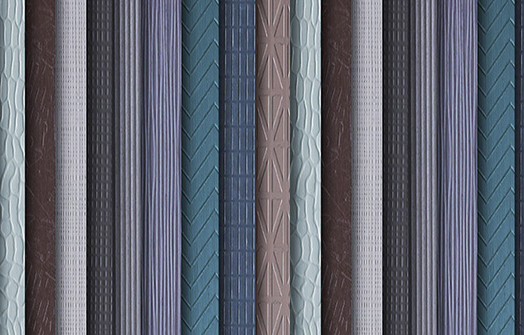
Marquetry veneers bring texture, depth, and visual movement into spaces. For example, a herringbone walnut panel on a headboard or a geometric teak motif on a corridor wall can transform a surface. Each design tells a different story without the need for a single extra element.
Marquetry Veneer Applications
Marquetry veneers can be considered for a range of applications, including:
- Feature walls and partition panels
- Wardrobe, cabinet and furniture surfaces
- Flooring medallions and inlays
- Reception counters and hotel lobbies
- Ceiling and decorative panels in residences, clubs and other premium interiors
Design Possibilities with Marquetry Veneers
Marquetry veneers can be developed in a range of patterns and compositions:
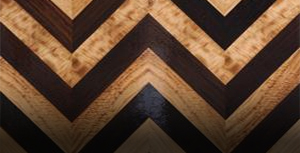
- Geometric and chevron compositions using contrasting wood species
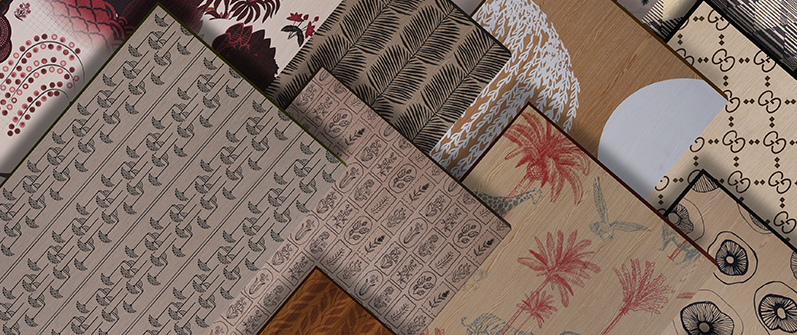
- Custom veneer patterns built around a specific project brief or brand identity
- Mixed-media marquetry with metal, stone, or resin inserts
- Large-format decorative veneer panels for commercial installations
- Different grain directions and veneer cuts can be combined to create movement, symmetry and visual depth
Designer wood veneer in marquetry can also be pre-finished at the factory, reducing on-site installation time considerably.
The Craft behind Marquetry Veneers
Good marquetry begins with species selection, then grain mapping, then cutting tolerance. Even small gaps between veneer pieces can affect the overall appearance of a marquetry panel. Panels can be made to suit the specified pattern, dimensions, and project requirements.
How Marquetry Defines Luxury Interiors
According to Business Research Insights, natural veneer sheets make up about 62% of global veneer sheet demand in 2025. And this demand is supported by growing interest in natural aesthetics, premium interior finishes, residential applications, and hospitality projects.
When a project calls for a more detailed decorative finish, architects may consider marquetry as one of several design options. The long-term appearance of a veneer design depends on the wood species, finish, installation, and maintenance. When used thoughtfully, marquetry can introduce decorative detail while maintaining balance in the overall design.
The Final Say
Marquetry veneers offer a way to combine natural wood grain with carefully planned decorative patterns. For architects and interior designers taking on premium projects, one well-specified marquetry panel can change how an entire room reads. With suitable finishing and maintenance, marquetry veneers can remain part of an interior’s design for years.
Having said that, if you’re looking for custom veneer patterns or decorative veneer panels for your next project, get in touch with our team. We will help you choose the right species, pattern, and finish for every space.
Connect with us:
📞 +91 91364 60666
📧 info@naturalveneers.com
🌐 www.naturalveneers.com
You may also Like
5 Easy Ways to Upgrade Your Space with Wood Veneer

Obliged To Have Such A Wonderful Response At Acetech – Mumbai 2019