





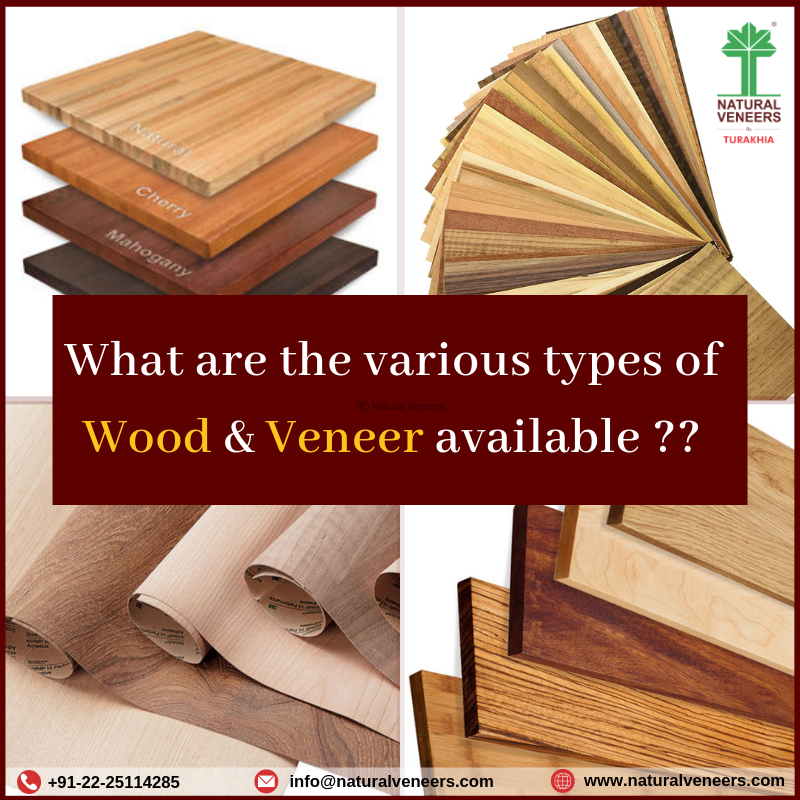
What are the various types of wood and veneer available?
- May 03, 2019
- by
- Team Natural Veneers by Turakhia
Wood and veneer are available in a wide range of types, each offering unique strength, texture, appearance, and application benefits. Understanding these variations helps architects, interior designers, furniture manufacturers, and homeowners select the right material for both structural and decorative purposes.
This guide explains the various types of wood and veneer available, categorized clearly for better understanding.
Types of Wood
Wood is primarily classified into three main categories: hardwood, softwood, and engineered wood.
1. Hardwoods (Deciduous Trees)
Hardwoods come from broad-leaved trees (angiosperms) and are generally denser, stronger, and more durable. They are widely used in premium furniture and interior applications.
Common Types of Hardwood:
- Teak – Highly durable and water-resistant; ideal for outdoor furniture.
- Oak – Strong and heavy; used in flooring and high-traffic furniture.
- Indian Rosewood – Dense wood with rich grain patterns; used for carved furniture.
- Mahogany – Known for its deep reddish tone and luxury appeal.
- Maple – Hard and light-colored; popular in cabinetry.
- Ash – Durable and flexible; used in furniture and tool handles.
- Mango Wood – Sustainable and cost-effective option for furniture.
- Sal Wood – Strong structural timber used in construction.
Best for: Furniture, flooring, luxury interiors, cabinetry.
2. Softwoods (Coniferous Trees)
Softwoods come from evergreen trees (conifers). They grow faster and are generally lighter and more affordable than hardwoods.
Common Types of Softwood:
- Pine – Lightweight and versatile; used in framing and rustic furniture.
- Cedar – Aromatic and resistant to rot; ideal for outdoor furniture and wardrobes.
Best for: Construction, outdoor use, structural framing.
3. Engineered Wood (Manufactured Wood Products)
Engineered wood products are manufactured by bonding wood fibers, chips, or veneers together.
- Plywood – Made by gluing layers of veneer; strong and stable.
- MDF (Medium-Density Fiberboard) – Smooth and economical; used in modular furniture.
- Particle Board – Budget-friendly material made from wood chips and resin.
Best for: Modular furniture, cabinetry, cost-effective interiors.
What Is Veneer?
Veneer is a thin slice of natural wood, typically 0.8 mm to 2.4 mm thick, that is bonded to a substrate such as plywood, MDF, or particle board. It provides the appearance of solid wood while being more cost-effective and stable.
Veneer allows designers to achieve the beauty of premium wood species while using less raw timber, making it a sustainable and efficient material choice.
Types of Veneer
Veneers are classified based on their manufacturing method and application.
1. Natural Wood Veneer
Natural veneer is produced by slicing real wood logs into thin sheets. It preserves the original grain, texture, and color of the wood species.
Common species used include teak, oak, walnut, mahogany, maple, ash, and rosewood.
Advantages:
- Authentic grain patterns
- Premium appearance
- Suitable for furniture, wall panels, doors, and cabinetry
2. Rotary Cut Veneer
Produced by rotating the log against a blade, similar to unrolling paper.
Features:
- Large continuous sheets
- Bold and varied grain patterns
- Cost-effective
Commonly used in plywood manufacturing.
3. Laminate veneer
This refers to types of veneer sheets made by pressing fine layers of wood together.
4. Shop- sawn veneer
This refers to veneers made by woodworkers by hand. Sometimes, these veneers may be thicker than others.
5. Backed Veneer
This veneer has a backing material attached to improve flexibility and durability.
Features:
- Suitable for curved or uneven surfaces
- Crack-resistant
- Easy installation
7. Veneer Core Plywood
This is plywood constructed using veneer core layers.
Features:
- Strong and stable
- Used in cabinetry and modular furniture
Difference Between Solid Wood and Veneer
| Feature | Solid Wood | Veneer |
| Cost | Higher | More economical |
| Stability | Can expand or warp | More stable when bonded |
| Sustainability | Uses more timber | Uses less natural wood |
| Appearance | Natural | Natural (when using real veneer) |
How to Choose the Right Wood or Veneer?
When selecting wood or veneer, consider:
- Budget requirements
- Durability needs
- Interior style
- Climate conditions
- Application (furniture, flooring, wall panels, cabinetry)
Frequently Asked Questions (FAQs)
1. Is veneer real wood?
Yes. Natural veneer is made from real wood sliced into thin sheets.
2. Is veneer better than solid wood?
Veneer is more cost-effective and dimensionally stable, while solid wood offers thickness and longevity.
3. What are the common types of veneer sheets?
Wood veneer, Backed Veneers, Rotary-cut veneer, Shop-sawn veneer, Laminate veneer, Veneer core plyboard
4. Can veneer be used for furniture?
Yes, veneer is widely used in furniture, doors, wall panels, and interior design applications.
Conclusion
Wood and veneer are available in diverse types based on density, manufacturing method, and application. Hardwoods offer strength and luxury appeal, softwoods provide affordability and versatility, while engineered wood products deliver stability and cost efficiency.
Similarly, veneer provides the elegance of natural wood in a thinner, more sustainable form. By understanding the various types of wood and veneer available, you can make informed decisions for furniture, architectural, and interior design projects. At Natural Veneers, we bring together a diverse range of premium wood and veneer options — combining craftsmanship, innovation, and sustainability to help you create timeless spaces with the natural beauty of wood.
You may also Like
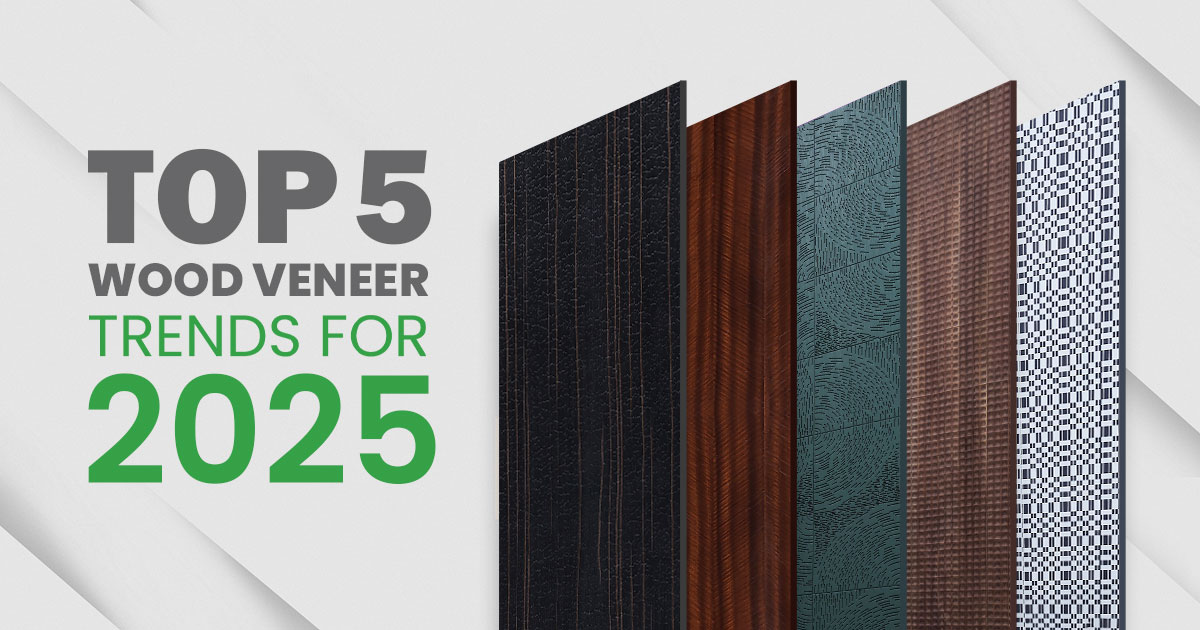
Top 5 Wood Veneer Trends for 2025
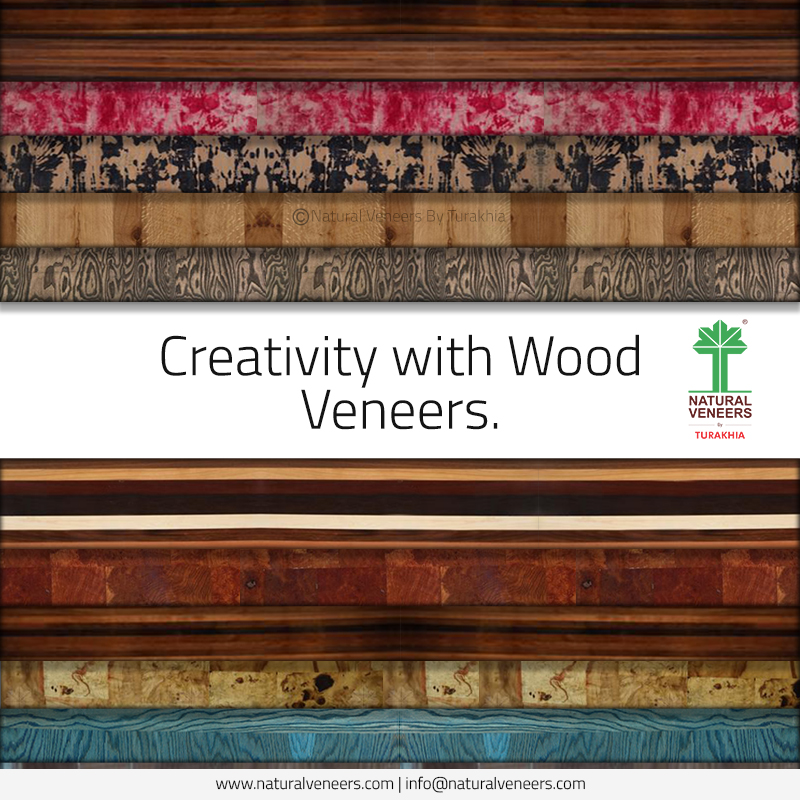
Creativity with Wood Veneers
Comments are closed.

2 Comments
Amy
7th May 2019 -Greetings! Very helpful advice in this particular article!
It is the little changes which will make the
biggest changes. Many thanks for sharing! It is appropriate
time to make some plans for the future and it is time to be happy.
I’ve read this post and if I could I want to suggest you few interesting things
or suggestions. Perhaps you can write next articles referring to this article.
I desire to read more things about it! I’ve been surfing
on-line more than three hours lately, but I by no means discovered any fascinating article like yours.
It is beautiful price enough for me. Personally, if all site owners and bloggers
made excellent content material as you probably did,
the net might be much more useful than ever before.
http://Cspan.co.uk/
https://www.standardoysterco.Com/
9th May 2019 -Hello there, You have done a fantastic job. I’ll definitely digg it and personally
suggest to my friends. I’m confident they will be benefited from this web site. https://www.standardoysterco.com/